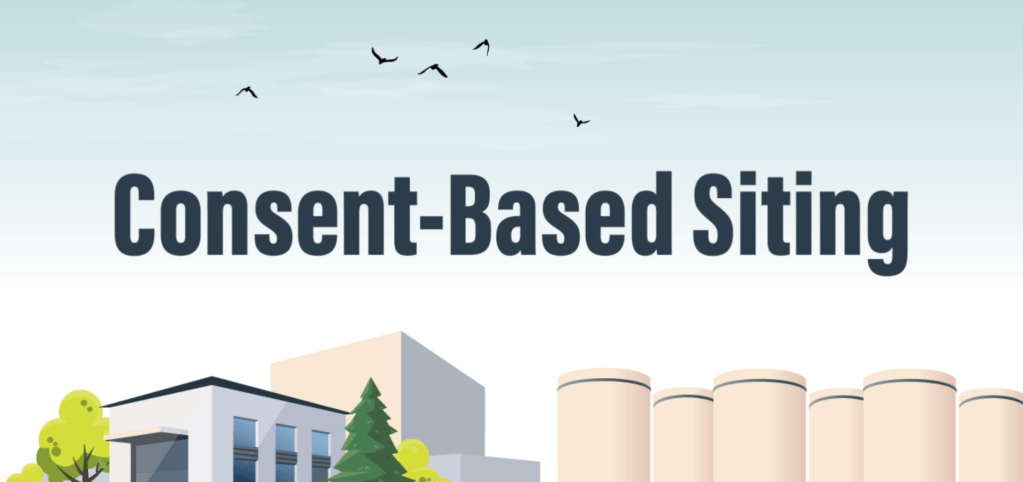
Department of Energy Consent-Based Siting Consortia
Department of Energy Community-Centered Approach for Storage of Spent Nuclear Fuel
Keystone Policy Center was among 13 groups selected by the Department of Energy to work with communities interested in DOE’s community-centered approach to storing and disposing of spent nuclear fuel, the agency announced June 9. DOE, along with the consortia of selected groups, will work with communities to ensure transparency and local support, a process known as consent-based siting.
We are a collaborative consortia, drawing on expertise from around the world, responding to Congress’ request that the Department of Energy develop a voluntary consent-based (CBS) approach to locating an interim storage facility for spent nuclear fuel.
Our consortia is not trying to find a site for a storage facility for nuclear waste. That will be the job of the Department of Energy (DOE) and will only happen after new legislation passes Congress. Our goal is to identify the how, rather than the where, to successfully site a spent fuel repository within a CBS approach.
Key to our project is understanding how communities already conduct challenging discussions about complex or controversial infrastructure projects, and how this insight can inform the key requirements communities will expect of any consent-based process Congress develops for the siting of a spent nuclear fuel facility in the United States.
We intend to improve the ability of communities participating in our project to conduct contentious civic conversations — about any infrastructure project, not just nuclear. By harnessing communities’ collective wisdom and experience, we also intend to provide an independent resource that reassures and empowers future communities engaged in a CBS process — knowing that the resource has been developed by communities for communities.
Our Objectives
Our Approach
We will accomplish our objectives by working collaboratively with community participants. We will do this in two key stages, and by offering grants to community participants that enhance their capacity and capability to conduct contentious civic discussions about infrastructure projects.
Stage 1: We will first explore how these communities currently learn about and consider potentially contentious siting and infrastructure projects, particularly those cutting across geographies and jurisdictions.
Stage 2: Taking the learning from this stage, and incorporating learning from other countries, we will then seek to develop a common framework of principles and resources that US communities deem vital in building a meaningful, collaborative CBS process.
Community Grants: Throughout this process we want to leave participating communities with enhanced confidence, capacity and capability to meaningfully participate in discussions about controversial infrastructure projects of any kind.
Interested in Getting Involved?
Who We Are
Our consortia members bring together a balance of knowledge, skills, experience, and community networks to frame and deliver innovative solutions for how a consent-based siting process might successfully engage a willing community to deliver an interim (or permanent) disposal facility for spent nuclear fuel and higher-level nuclear waste.
We are community engagement and civic discourse experts; academics immersed in the social science research associated with community engagement and nuclear waste management; practitioners versed in how nuclear waste consent-based processes around the world operate; and U.S. communities with deep understanding and practical experience of managing large, complex infrastructure projects at a regional level.


Keystone Policy Center is a nationally-recognized leader in community convening, facilitation, and capacity building – with a particular history of working with Tribal, under-served, diverse, and rural communities.
SERI has deep social science research experience and expertise specifically in community engagement with nuclear waste issues, and consent-based siting processes — providing a bridge between applied social science and practical application within communities.
GDFWatch has unrivalled direct experience of designing and helping implement the consent-based siting process in the UK, learning from the experience of repository programs around the world, and developing productive connections between affected communities.
NARC is the leading network of regional councils, encompassing communities and government at all levels engaged in long-term socioeconomic planning and co-operation across geographies.
External Advisory Committee
We have assembled an external advisory committee (EAC) with whom to consult regularly, to enrich the project with relevant expertise and experience. Because they are independent of both the project team and DOE, its members will work together to advocate for the project and challenge and advise the project team. The EAC will also ensure that design, implementation, and interpretation incorporate the perspectives, expertise, and values of a range of critical stakeholders.
The EAC brings relevant expertise, experience, essential strategic perspectives, and networks. It is drawn from a range of disciplines, sectors, and lived experience. We seek such high-caliber counsel to support us in areas such as tribal community engagement, community economic development, and/or nuclear waste management science and repository management.
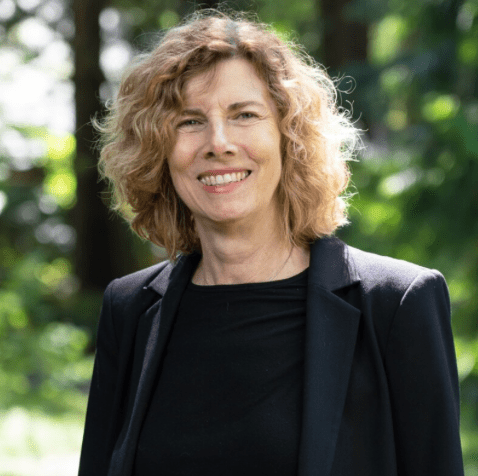
Allison Macfarlane
Allison Macfarlane is the Director, School of Public Policy & Global Affairs, University of British Columbia and former Chair of the US Nuclear Regulatory Commission. She has also served on the Blue Ribbon Commission on America’s Nuclear Future.
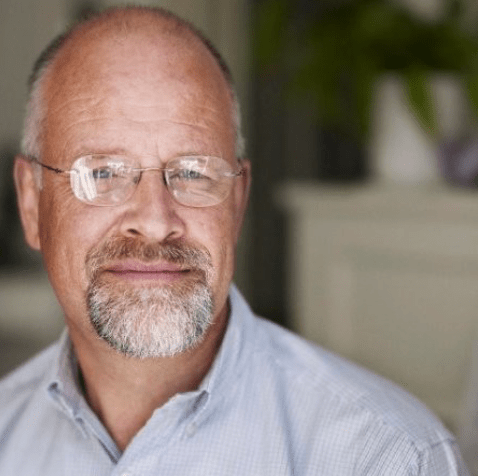
Jacob Spangenberg
Jacob Spangenberg is a former Mayor of Östhammar, Sweden, who brings unrivalled insight and experience, having led his community over 20 years, shaping its capacity and capability to meaningfully partner and participate in a just, equitable, and successful, consent-based siting process.
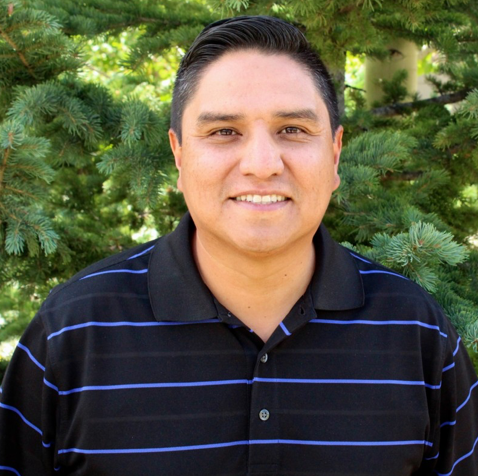
Ernest House, Jr.
Ernest House, Jr. is the Director of the Center for Tribal and Indigenous Engagement for the Keystone Policy Center. An enrolled member of the Ute Mountain Ute Tribe, House previously served as Executive Director of the Colorado Commission for Indian Affairs.
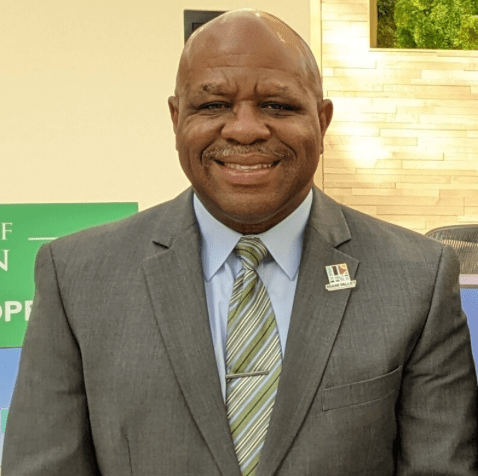
Brian Martin
Brian Martin is the Executive Director of the Miami Valley Regional Planning Commission. Martin has led over 20 public and private infrastructure projects, with specialty in economic development and public participation.
Contact Us
For further information about our consortia, our project, our grant funding, and our community-centric approach, please contact Brad Sperber at bsperber@keystone.org or (301) 233-0734.